A general contractor contract with owner is the single document that decides who pays for what when a Mountain Brook renovation goes sideways. Skip it, and even a small kitchen update can turn into a dispute over change orders, delays, or unfinished work. Here's exactly what belongs in yours before anyone signs, and where Alabama law adds its own rules on top of the basics.
What Is a General Contractor Contract with an Owner?
A general contractor contract with owner is a written agreement that spells out the scope of work, payment terms, timeline, and legal responsibilities for both the homeowner and the contractor before a project starts. It's the single document both parties point to whenever a question or dispute comes up.
Think of it as the rulebook for the project. It governs what gets built, how much it costs, when it's due, and what happens if something goes wrong. In a market like Mountain Brook, where older-home renovations, additions, and custom new builds are common, a clear construction contract agreement matters even more because historic homes tend to surface surprises once walls open up.
Anyone hiring a contractor for general contracting services should expect a written contract before a shovel touches the ground. We've walked more than one Mountain Brook homeowner through a contract redline after a scope disagreement with a prior contractor, and the fix is almost always one of the six items below.
Essential Elements of a General Contractor Contract with an Owner
Legal guides and contractor-agreement templates consistently point to the same handful of essential terms. Below is the core checklist every homeowner-contractor agreement should cover before either party signs.
Contractor and Owner Details
The contract should list full legal names, current addresses, and the contractor's license number for both parties. This isn't a formality. It confirms who's legally accountable and makes the agreement enforceable if a disagreement lands in court. Skipping this section is a red flag.
Detailed Description of the Work
Vague language like "kitchen remodel" invites disputes down the road. A solid scope of work spells out materials, finishes, brands, and what's explicitly excluded. On older Mountain Brook properties, that scope should also state whether moisture, foundation, or crawlspace issues are included or excluded. We regularly see foundation waterproofing and moisture control work get added mid-project on pre-1960s homes simply because nobody wrote it into the original scope.
Project Schedule and Timeline
Every contract needs a clear start date and an estimated completion date. It should also explain how weather delays, material backorders, or change orders get documented and folded into the schedule, rather than argued about later.
Payment Schedule and Price Terms
The payment schedule should tie each milestone payment to a completed phase of work, not just a calendar date. Alabama has no statutory cap on deposits, unlike states such as Massachusetts, where home improvement deposits cannot exceed one-third of the contract price except for special-order materials. That doesn't mean anything goes. A reasonable deposit for a Mountain Brook remodel typically runs 10-20%, while a full new build may justify a higher upfront amount tied to site prep and material orders. The rest should release only as milestones are verified complete.
Permits and Inspections
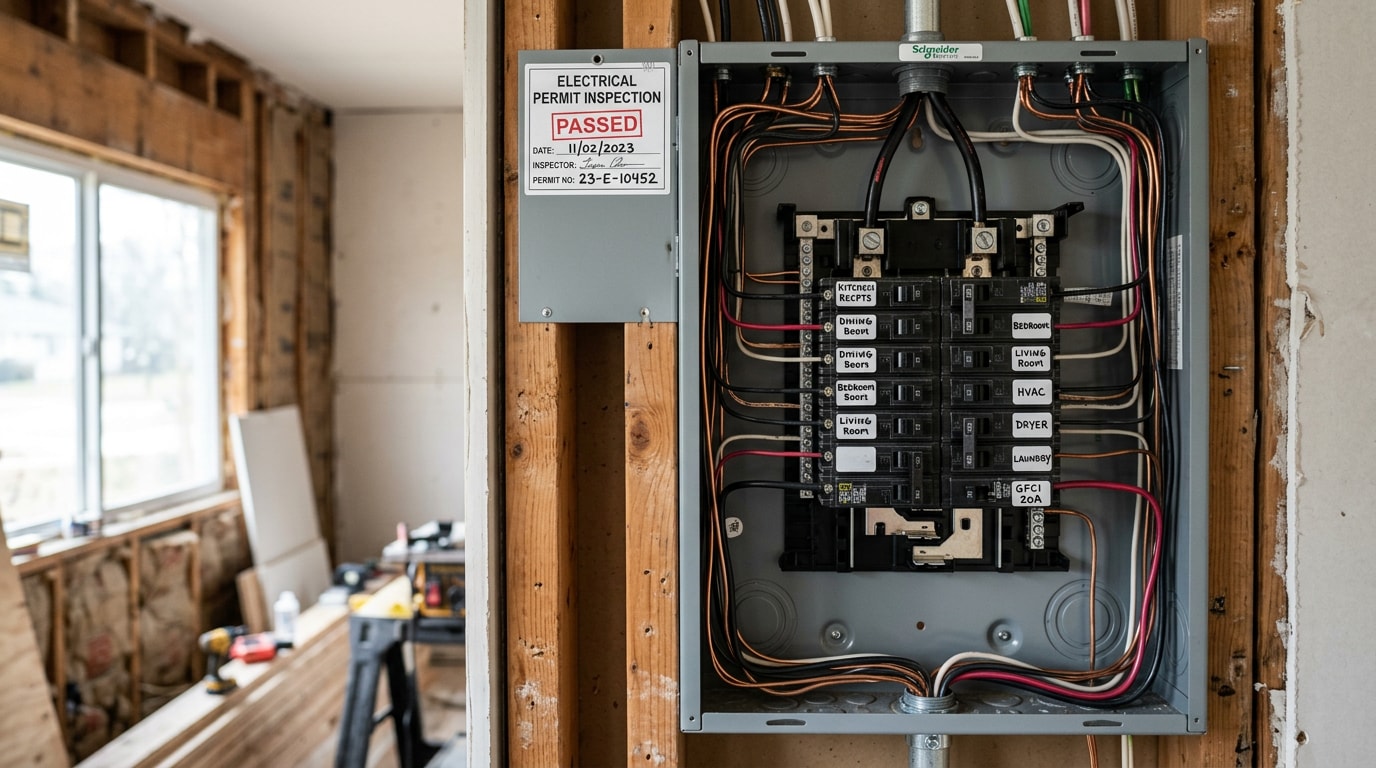
The contract should state, in writing, whether the contractor or the homeowner is responsible for pulling building permits and scheduling inspections. In most cases the contractor handles this, but it needs to be explicit rather than assumed. The city notes that every contractor working in Mountain Brook is required to obtain a permit before starting work, and homeowners are encouraged to confirm that permit exists before the project begins. You can check permit requirements directly with the City of Mountain Brook before signing anything.
Warranties
A workmanship warranty should state a clear duration, commonly one year, and distinguish coverage for labor versus manufacturer warranties on materials. Without this, homeowners are often left guessing who's responsible when something fails after move-in.
| Contract Element | What It Must Specify | Why It Matters |
|---|---|---|
| Parties & License | Legal names, addresses, license number | Confirms who is legally accountable |
| Scope of Work | Materials, finishes, exclusions | Prevents "that wasn't included" disputes |
| Schedule | Start/completion dates, delay process | Sets expectations for delays and change orders |
| Payment Terms | Deposit %, milestone triggers | Protects cash flow on both sides |
| Permits | Who pulls them, who schedules inspections | Avoids stop-work orders and code violations |
| Warranty | Duration, labor vs. materials coverage | Defines who fixes what after move-in |
Alabama License and Insurance Rules for General Contractors
Alabama layers a few state-specific disclosure requirements on top of the standard contract elements above.
When a Home Builders License Is Required
For residential projects, Alabama requires the contractor to hold a valid Home Builders Licensure Board (HBLB) license once the job's total cost, labor and materials combined, exceeds $10,000. That license number should appear directly in the contract alongside both legal names. Homeowners working with contractors serving the Mountain Brook, AL area should confirm this license is current before signing anything.
| Project Type | State License Trigger |
|---|---|
| Residential remodel or new build | Over $10,000 (labor + materials) |
| Residential roofing | Over $2,500 |
| Commercial or public construction | $100,000 or more |
Insurance Disclosure Requirement
Alabama law requires a written insurance disclosure statement, separate from the general contract terms, confirming whether the contractor carries liability insurance. Under Alabama law, a residential home builder must disclose in writing whether they carry liability insurance before construction begins, and that disclosure must be signed by both the builder and the homeowner and attested by a witness. You can review the exact statutory language on the Alabama Home Builders Licensure Board's site. Skipping this step can leave homeowners without clarity on who covers accidents or property damage during construction.
Does Alabama Give Contractors a Right to Cure Defects First? (What Most Guides Get Wrong)
A lot of contract guides claim Alabama has a formal "notice and opportunity to cure" statute that forces homeowners to give contractors a set number of days to fix a defect before suing. It doesn't. According to a national legal compendium on construction law, Alabama does not have a right to cure or right to repair statute for construction defects, unlike states such as Washington or West Virginia that do.
That doesn't mean skipping the step is smart. Courts still look favorably on homeowners who documented problems in writing and gave the contractor a fair chance to respond before filing a claim. It just means that step isn't a legal prerequisite in Alabama the way it is elsewhere, so your contract should build one in voluntarily rather than assume the law requires it.
Here's what a practical cure clause should cover:
- Written notice: The homeowner describes the defect in writing, not just verbally, with enough detail to act on.
- Response window: A set number of days (commonly 10-14) for the contractor to inspect and propose a fix.
- Fallback: What happens, and who pays, if the contractor doesn't respond or the fix fails.
Alabama does apply a separate, unrelated time limit here: claims against architects, engineers, and builders for defective design or construction generally must be filed within two years of discovery, and are barred entirely seven years after substantial completion under the state's statute of repose. That's a reason to put a cure clause in the contract even though state law doesn't require one.
Common Challenges in Construction Contracts
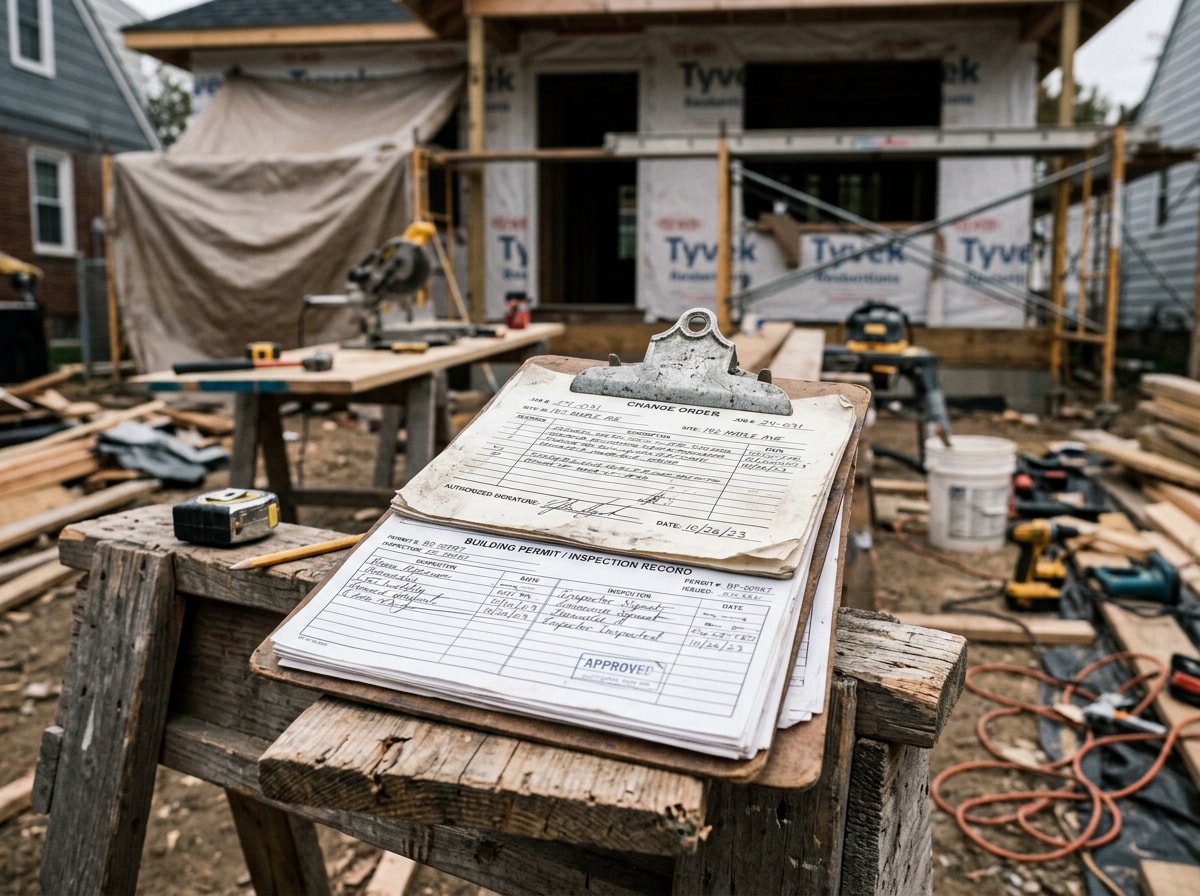
Even well-drafted contracts run into friction. Scope creep, meaning extra work added without formal documentation, is one of the most frequent disputes we see on Mountain Brook jobs, especially once a wall opens up on a 1950s or 1960s home and reveals moisture damage nobody planned for. Verbal change requests that never make it into writing cause similar problems, since neither party has proof of what was agreed.
Delayed payments and unclear lien rights round out the common list. The practical fix is simple: every change order gets a dollar amount, a signature, and a date before work continues, and final payment doesn't go out until lien waivers are reviewed. Homeowners planning a larger home remodeling or home building project should ask their contractor to walk through this process before the first payment changes hands.
Benefits of a Construction Contract Agreement
A written construction contract agreement protects both sides from misunderstandings that would otherwise turn into costly disputes. It creates clear accountability. Everyone knows what's owed, by when, and to what standard.
It also gives both parties leverage if something does go wrong, since the contract itself becomes the reference point for resolving disagreements. If you're planning a custom build, our guide to hiring a custom home general contractor in Vestavia Hills covers additional contract terms specific to ground-up construction.
This guide is maintained by the general contractor team at Old Bama Waterproofing, which writes, reviews, and negotiates residential construction contracts for homeowners across Mountain Brook, Homewood, Vestavia Hills, and greater Birmingham as a normal part of project scoping. Ready to start a project the right way? Get a free estimate and contract review before you sign anything.
FAQ
What Should Be Included in a General Contractor Contract with an Owner?
A general contractor contract with owner should include contractor and owner details, a detailed scope of work, a payment schedule, a project timeline, permit responsibilities, and a workmanship warranty. Alabama contracts also need license and insurance disclosures. See the essential elements section above for the full breakdown.
Does Alabama Require a Written Contract for Home Improvement Work?
Alabama doesn't universally require a written contract for every home improvement job, but it's strongly recommended, especially for projects above the $10,000 licensing threshold. A written homeowner-contractor agreement protects both parties far better than a verbal understanding.
Can I Be My Own General Contractor in Alabama?
Alabama's Home Builders Licensure Law provides an exemption for owners who build or improve their own one- or two-family residence for their own occupancy, acting as their own contractor and providing all material supervision themselves. This comes with real responsibilities: pulling permits, verifying subcontractor licensing, and carrying liability for code compliance all fall on the homeowner instead of a licensed GC. You can review the full exemption language from the Alabama Home Builders Licensure Board.
How Much of a Deposit Can a Contractor Legally Ask For in Alabama?
Alabama doesn't cap deposits by statute, so the amount is whatever the contract states. A reasonable deposit for a Mountain Brook remodel typically runs 10-20% of the contract price, tied to material orders and site prep rather than the full balance upfront.
What Happens If My Contractor Doesn't Finish the Job?
Since Alabama doesn't have a statutory right-to-cure requirement, your contract's own cure clause controls what happens next. If the contract has one, you give written notice, wait out the response window, and then pursue breach of contract or negligence claims if the contractor still doesn't perform.
Do I Need a Licensed Contractor for a Small Remodel in Mountain Brook?
If the total job cost, labor and materials combined, is under $10,000, Alabama's state license requirement doesn't apply, though Mountain Brook still requires a permit for most construction work. Above $10,000, the contractor needs a valid Home Builders Licensure Board license.